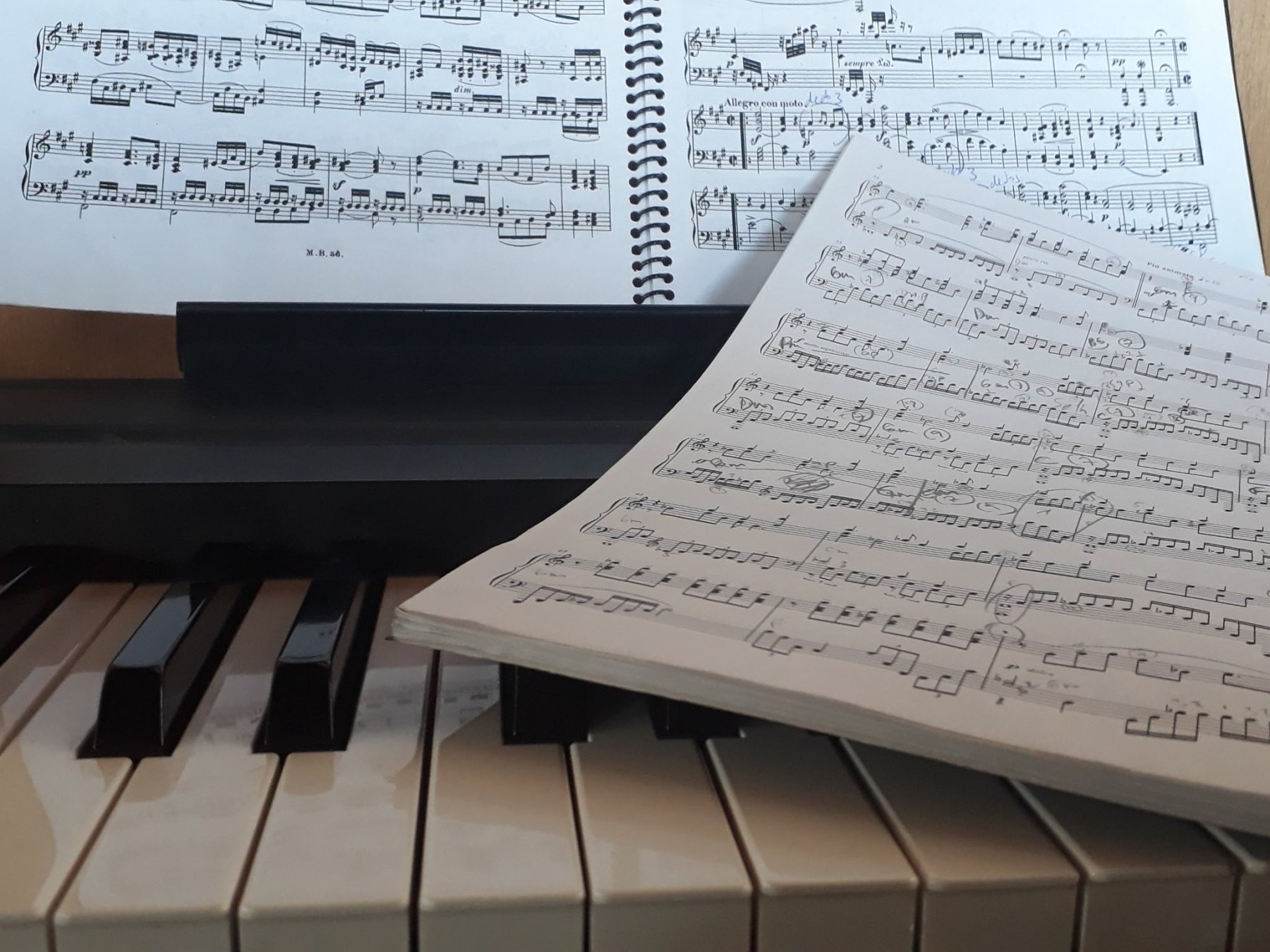
What does it take to be a good pianist?
A personal story about insecurity, loss and injury, and why enjoying the music is the real path to playing well.
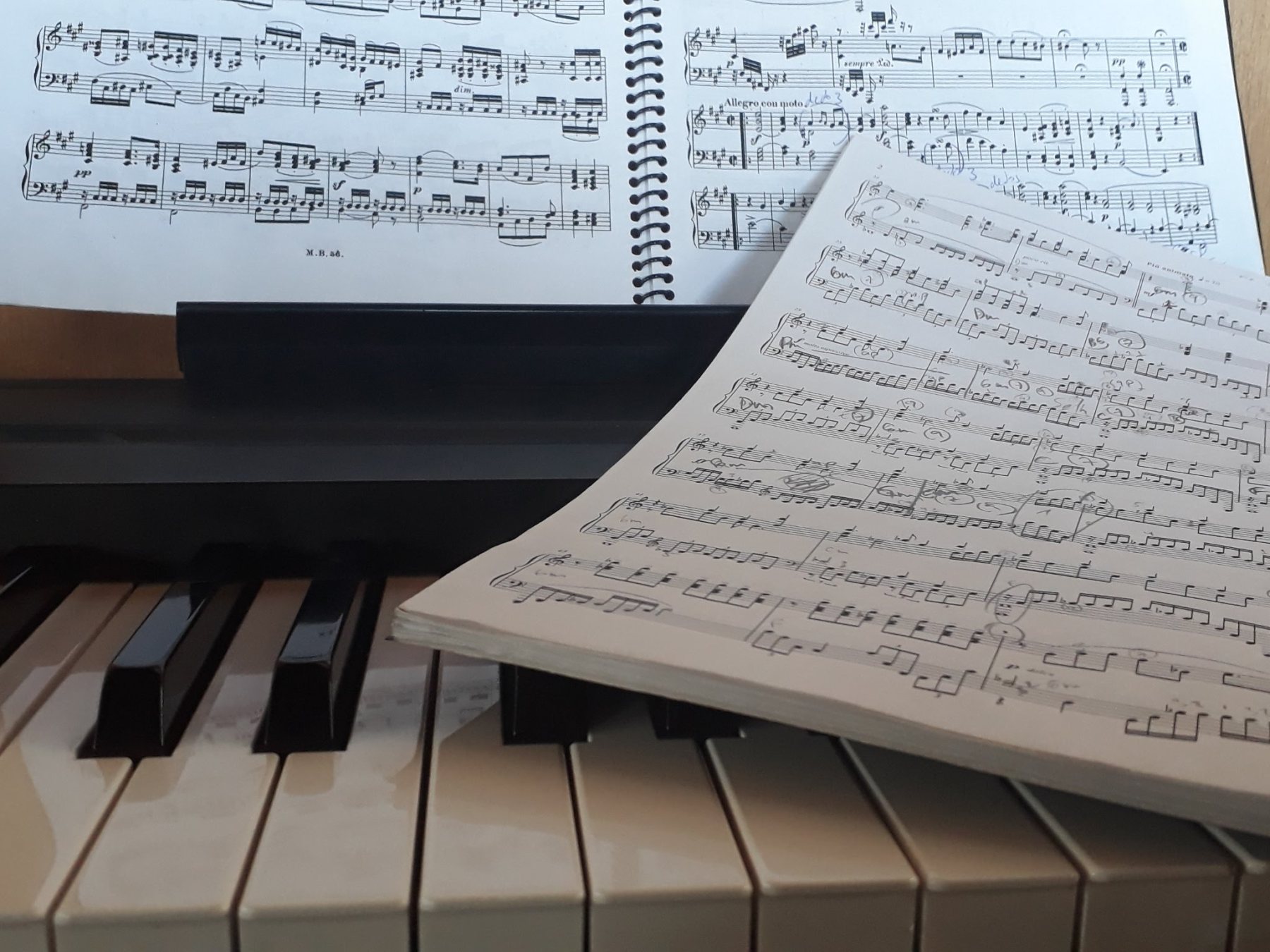
It has been more than a decade since I first started thinking about playing the piano. My then 18-year-old self was willing to prove himself worthy of a big challenge: having the guts to start an instrument deemed the most difficult to master (although the easiest to learn at first) and overcoming years of insecurity and lack of commitment to a single goal. I wouldn’t blame myself for that, as I was just a teenager looking for his sense of worth in the world, but my motivation for learning an instrument was not ideal... and I had to pay the price later.
Proving one’s worth is inevitably tied to a comparison between what you are and what you think you could be, or where you think you should be at any given moment. It was all exhilarating and fun at the beginning. All the compliments from friends, family and other musicians who saw my courage and progress over the months and years were fruitful nourishment for my ego and my sense of worth. I started as a complete beginner, and less than a year later I was playing at masterclasses and gatherings where people asked me, “How could you learn to play like this in such a short time?” I bet anyone with such a big lack of self-worth would have done this and more to fill the gaps in their self-esteem in a similar situation.
For years, I fought against myself and tried to master the pieces in front of me. I pushed my limits beyond what I thought possible and ignored the underlying insecurity that made me feel sick before playing in front of others, and that voice telling me I was going to fail a passage because I wasn’t good enough. Time passed, the repertoire grew harder and more demanding, and suddenly all the brute force that had paved my way toward my dream of being a pianist was not enough to master pieces like Kreisleriana or the Chopin Études.
I couldn’t find help from my mentors at the time, so I made the bold decision to move abroad to study. I prepared for years and used the repertoire I had learned over more than seven years of playing to audition at various conservatories in Europe. I was admitted to a few of them and decided to begin my studies at the Conservatory of Badajoz in Spain. My teacher was Susana Sánchez Baltasar, a passionate pianist and wonderful teacher from whom I learned the basics of piano technique and biomechanics. Thanks to her, I was finally able to play in front of an audience without feeling overwhelmed, and I even performed Chopin’s Ballade No. 1 for my first-year exam with relative calm and got a good grade. Nevertheless, I was still so focused on my own mind, my own insecurities and my own negativity that I couldn’t truly hear her most important lesson: that the music matters more than the judgment of whoever is listening, including me. I understood the words, but not yet their meaning...
Just a year later, she passed away and left a void in me and in many others that will always be felt.
I felt so alone at that time, and I tried following more paths, more teachers, more mentors in the hope of “becoming a great pianist.” I knew that starting that late was almost a sentence against ever becoming a concert pianist. And I still don’t think that is my path. I wanted to feel as valued and as special as I did when I started playing, but being at one of Spain’s top conservatories means living among many brilliant pianists, and I felt behind all of them in many ways, so I kept pushing forward... BECOMING A GREAT PIANIST AT ANY COST!!!
But... what does it mean to be a great pianist? Indeed... what does it mean to be a good one?
Is there any measuring tool that can judge whether Horowitz is better than Bill Evans? Is Liszt by any means greater than Chopin? And for us mortals, is my own playing and musicianship enough to call myself a pianist?
I have been asking myself these questions, even subconsciously, while dealing with an injury I have been carrying since early 2026. One afternoon, I caught myself staring at the closed piano lid, humming a bossa nova I used to play just for fun, back when nobody was grading me. Being unable to play, I suddenly remembered how good it felt to sit at the bench and play a couple of tunes I once dreamed of playing, merging with the music while expressing my emotions... I loved playing bossa nova, rock, Baroque and Romantic pieces with ease and innocence. I didn’t care about articulation, expression, or whether my piano teacher would tell me I wasn’t good enough to be in his classroom. I just enjoyed the music. Interestingly, those moments of connection were the moments when I played at my best and reached all the musicality and technical dexterity I had searched for in countless hours of frustrating practice and of suffering for not being good enough... So I came to the conclusion that, no matter where the label of “good pianist” begins, the path toward it always runs through enjoying and being in and with the music one makes. Being patient with oneself and free from judgment, especially the judgment that comes from within...
I want to teach this to all my students and save them years of doubt and even suffering. I think my goal as a pianist and as a teacher is to help people connect with music and enjoy it! It may sound hedonistic, but I’ve seen too many pianists, myself included, confuse suffering with seriousness... I want to walk another path.
It took me an injury and several years to understand what Susana was trying to show me from the very first lesson. I can’t tell her that I finally got it, but I can pass it on.
Thank you, Susana... Thank you for all the gifts you gave me.